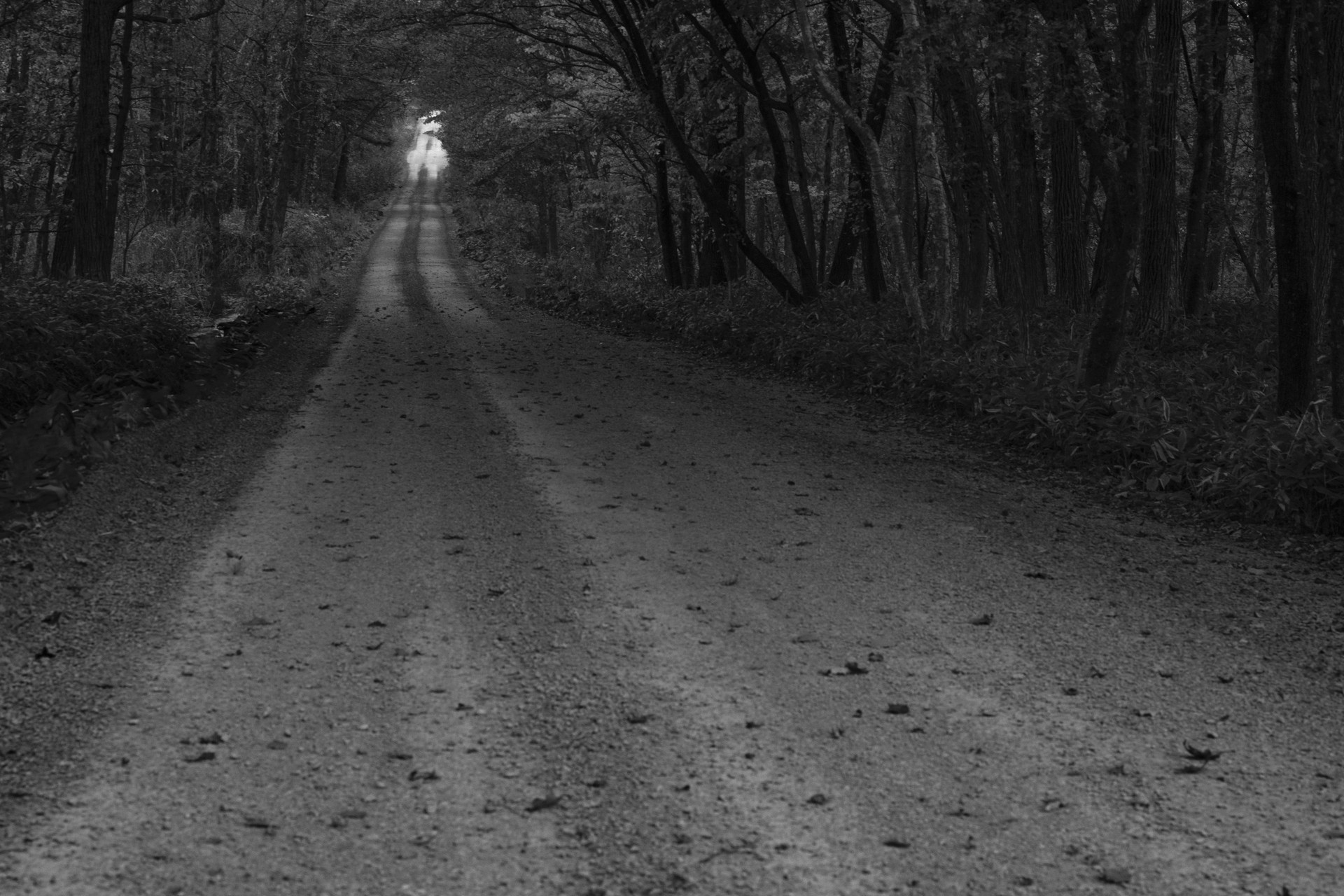
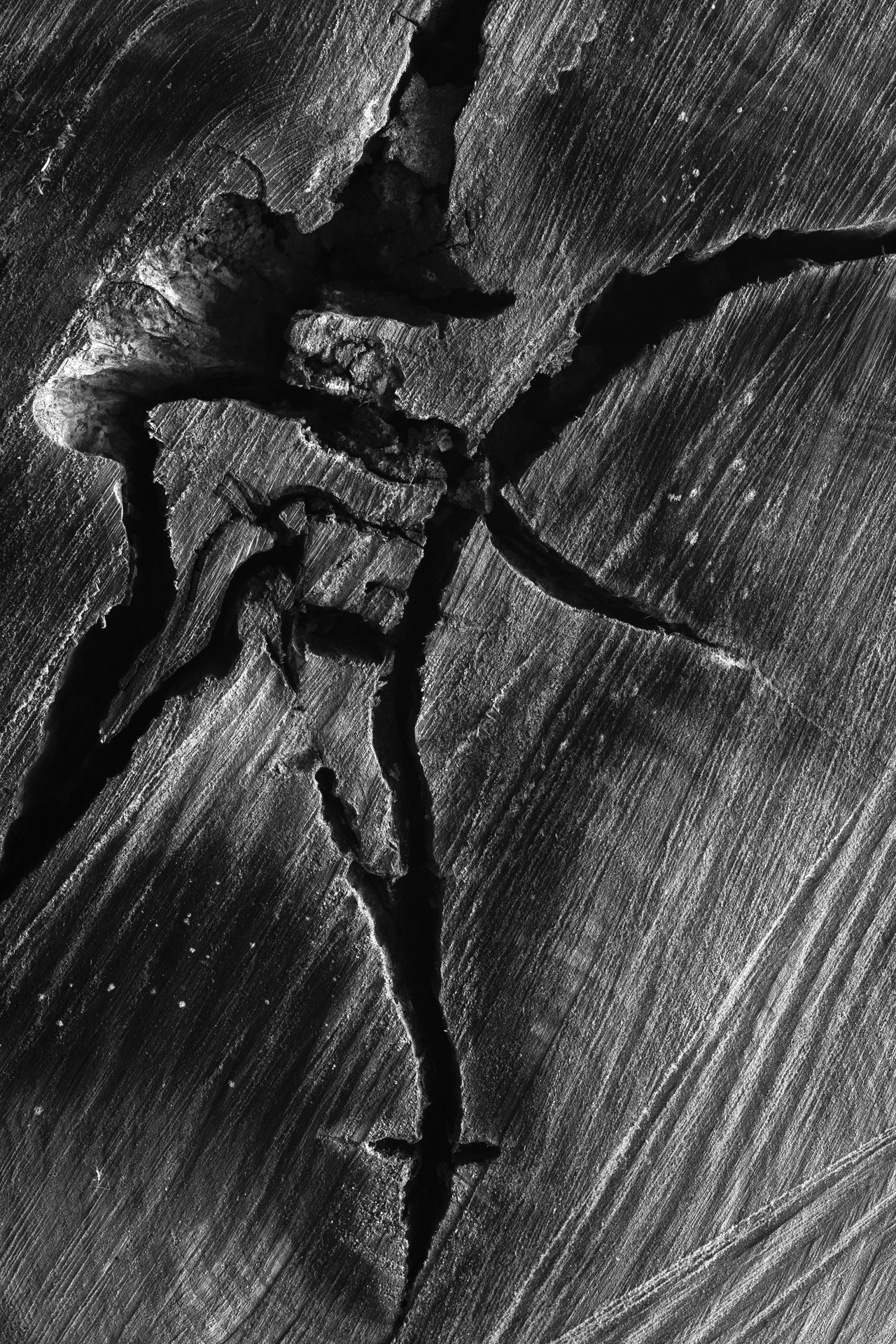
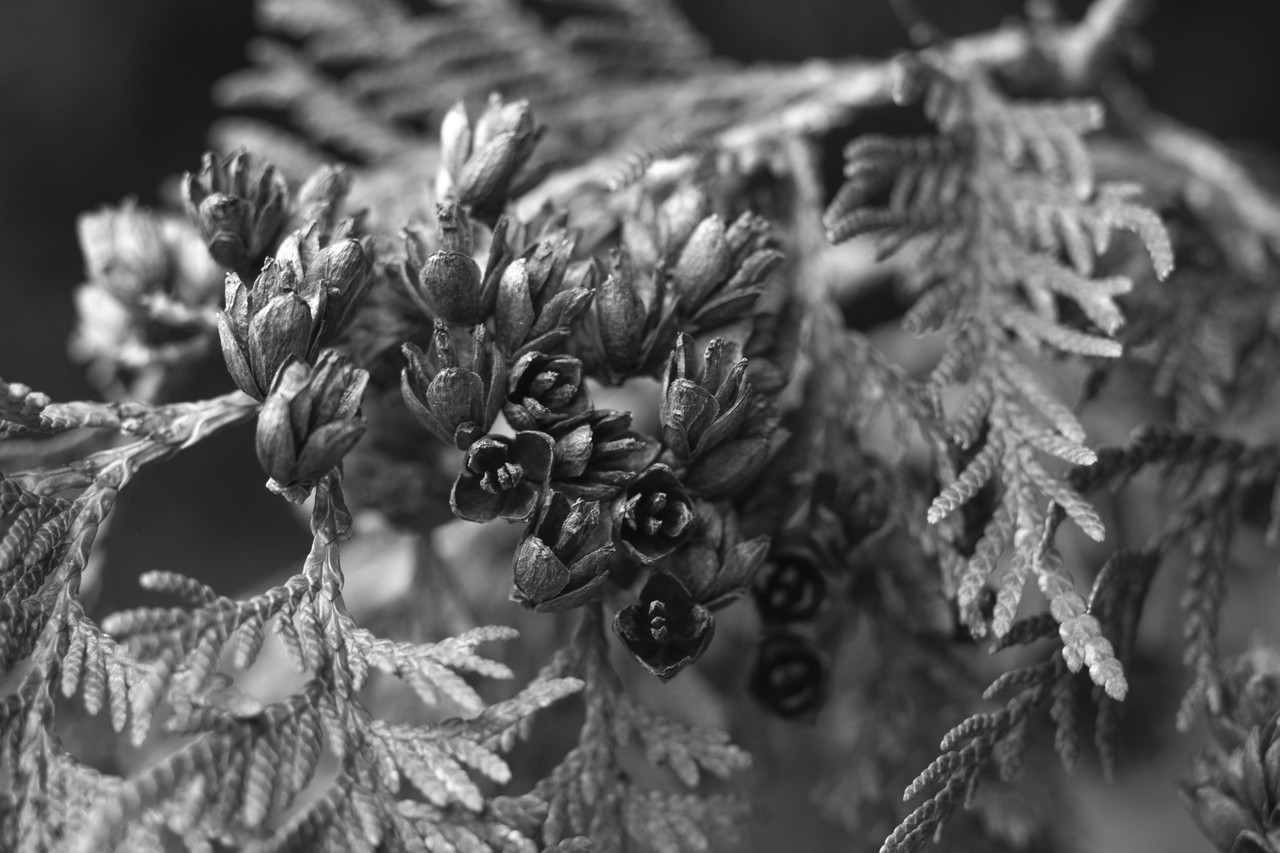
僕の写真は、撮影者である僕を含めた閲覧者の視点を変えることで成り立ちます。
視点を変えることで被写体を美しいと感じることができるからです。
つまり、被写体に美しいというステータスが紐づいているわけではありません。
そう仮定すれば、閲覧者の視点を変えることで、万物を美しい被写体に変えることができると考えられます。
そして、その視点の変化量が大きいほど、美しいと思える可能性は高くなるはず。
ならば、人が当然と考えているものの見方を、別の角度から解釈することが有効と考えました。
誰もが中心としているものを外して考えてみます。
その視点で眺める世界は美しい。
僕の写真は、その美しさを利用して作られています。
当初は、美しさが紐づいた被写体を探していました。
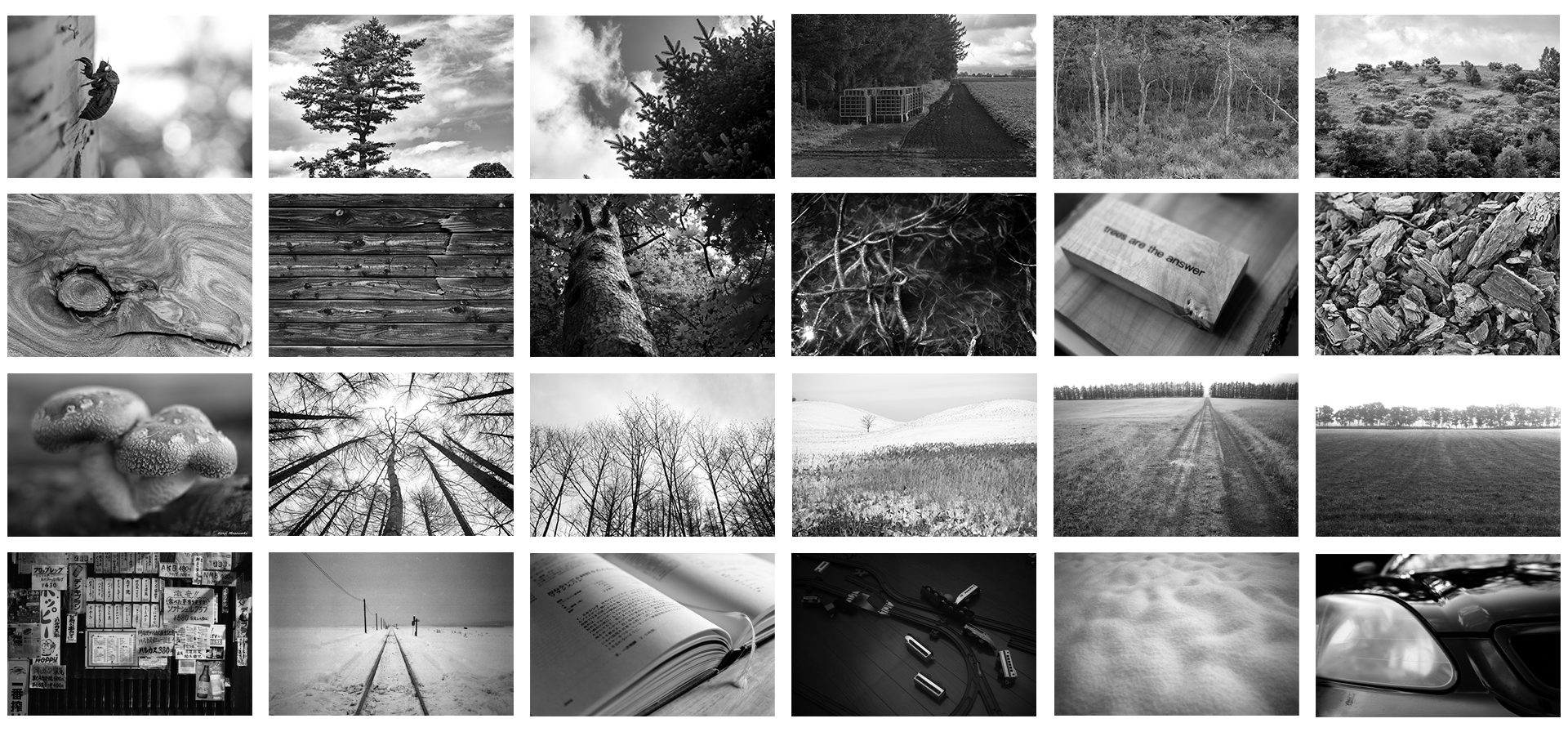
僕の写真の第1フェーズと言ってもいいでしょう。
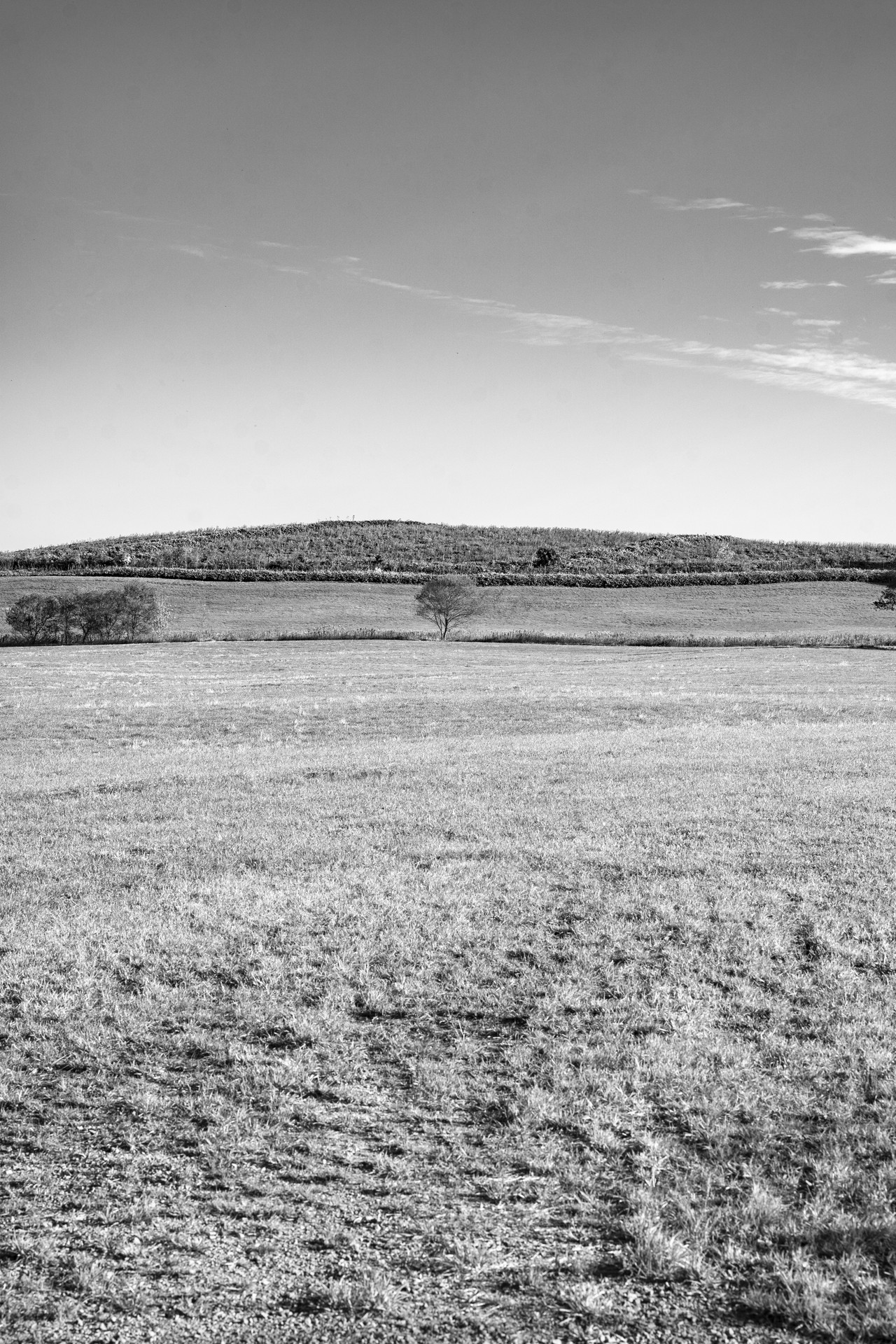
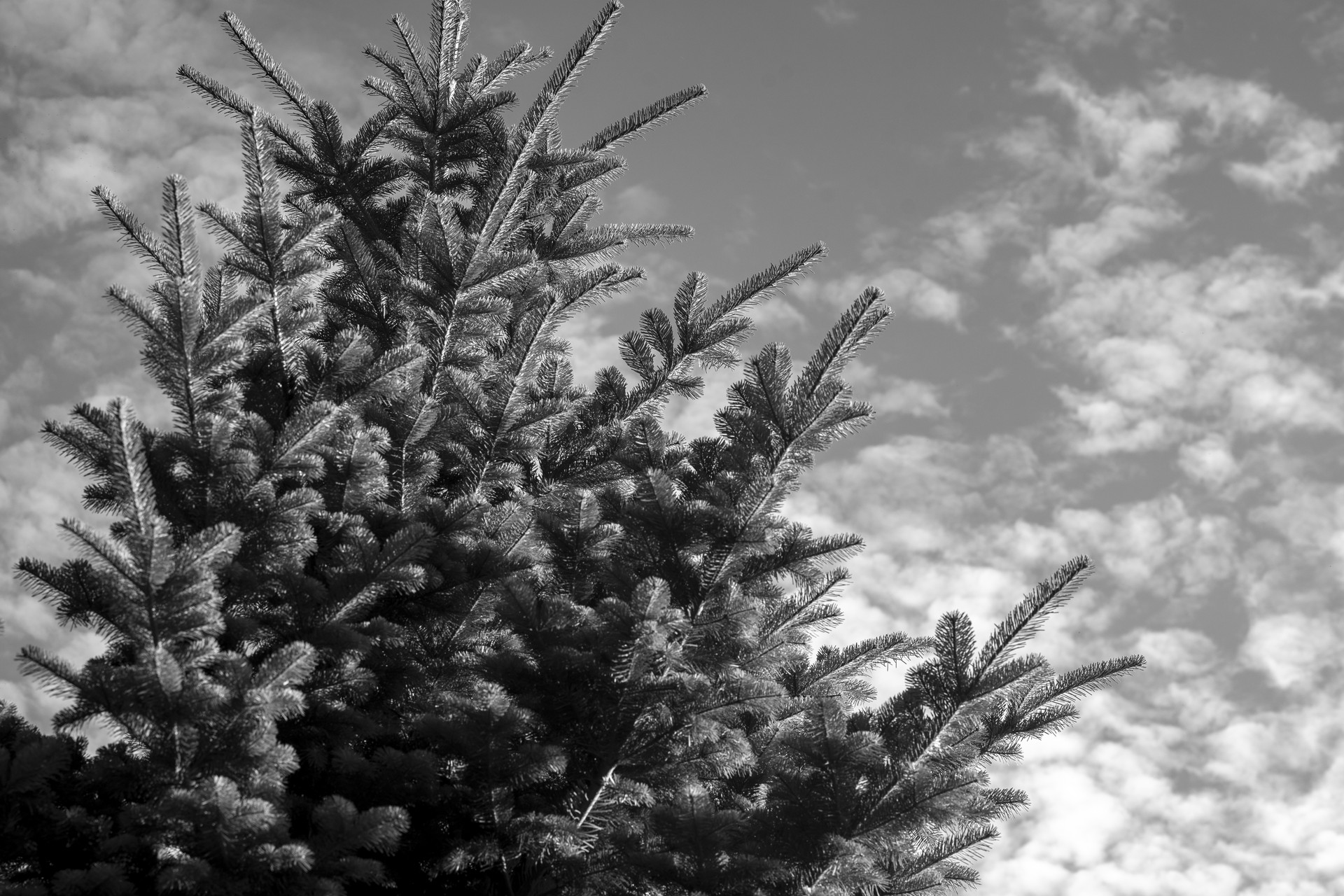
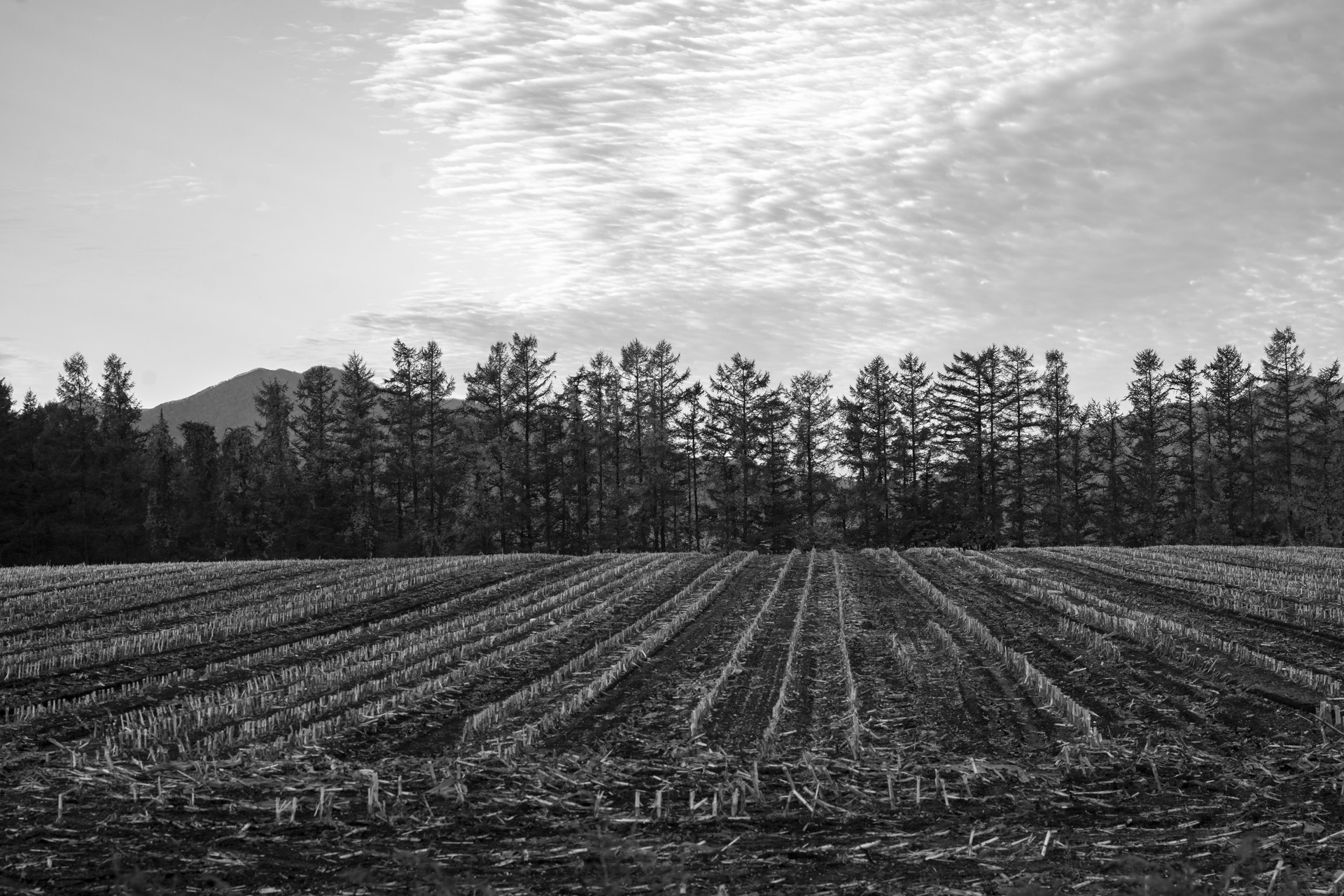
主な被写体は日本の風景でした。
けれども、第2フェーズでは視点を変えることで被写体を美しいものへと変えました。
ここでの被写体は椎茸です。
そして今、第3フェーズではその再現性を別の被写体で確かめようとしています。
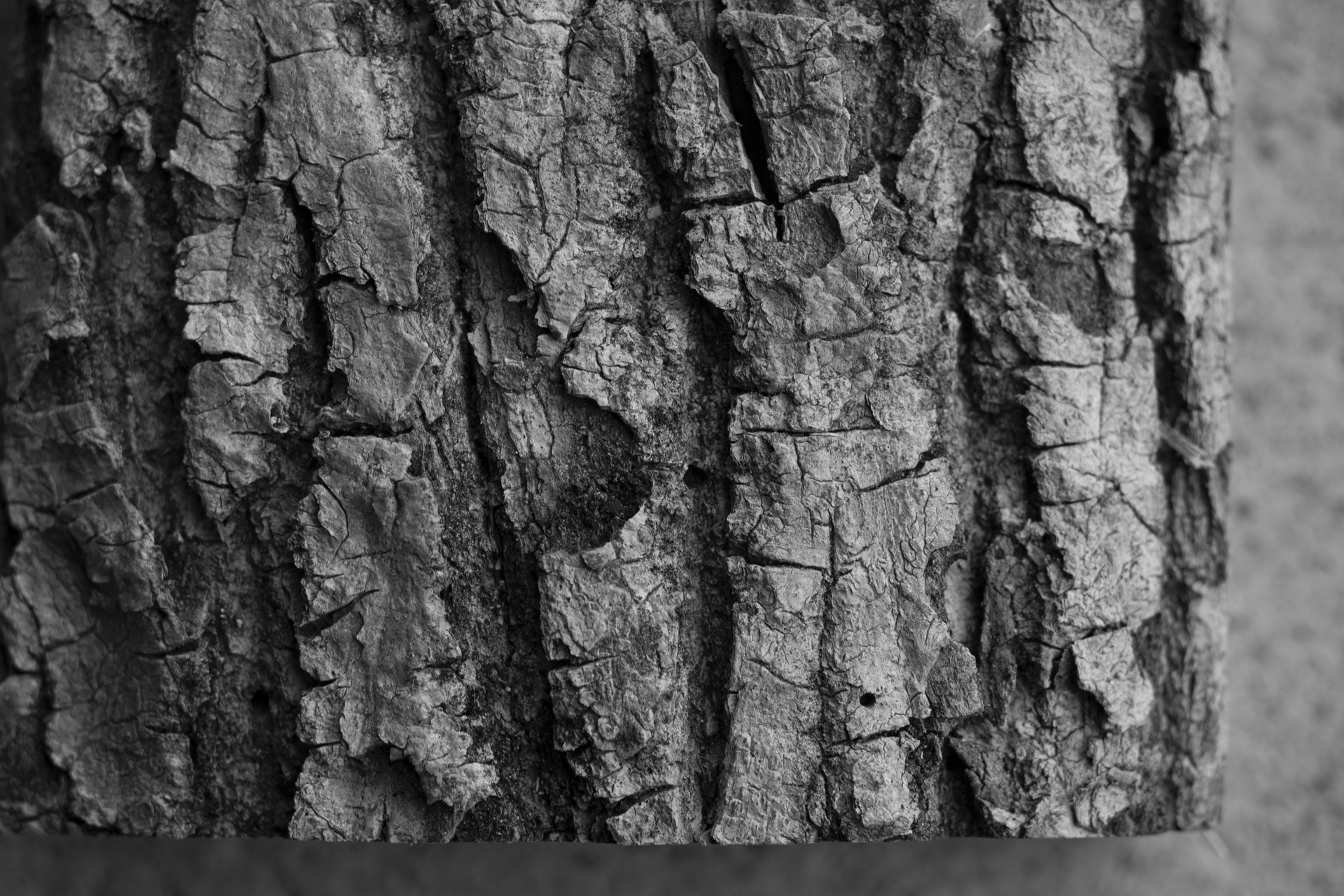
被写体は樹皮。
視点を変えた僕から見たら、それは「Fluctuation」と言えるものです。
My photographs are created by shifting the perspective of the viewer, including myself as the photographer. This is because changing the perspective allows me to perceive the subject as beautiful. In other words, the status of beauty is not tied to the subject. If we assume this, then by changing the viewer's perspective, we can transform anything into a beautiful subject.
The greater the change in perspective, the greater the chance that something will be perceived as beautiful. I thought that it would be effective to interpret the way people take things for granted from a different angle. I try to think outside the box. The world seen from that perspective is beautiful. My photographs are created using that beauty.
Initially, I was looking for subjects associated with beauty. You could call this the first phase of my photography. My main subjects were Japanese landscapes. However, in the second phase, I transformed subjects into beautiful ones by changing my perspective. The subject here is shiitake mushrooms. And now, in the third phase, I am attempting to confirm this reproducibility with different subjects. The subject is tree bark. From my perspective, I see it as "Fluctuation".