Fluctuation
WORKS
STATEMENT
PORTFOLIO
EXHIBITIONS
CONTACT
top
Fluctuations - Beautiful scars created by the laws of physics.
WORKS
top
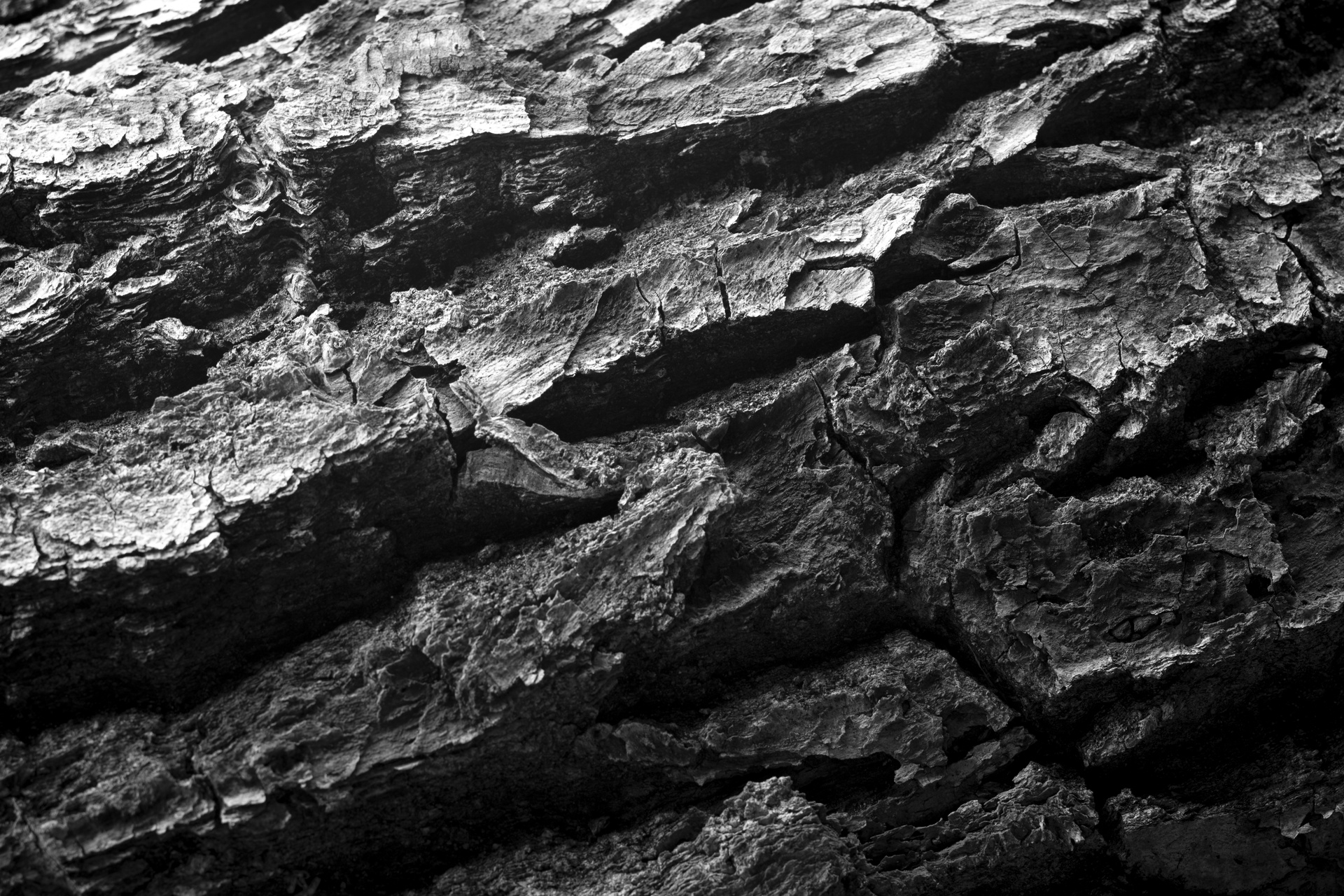
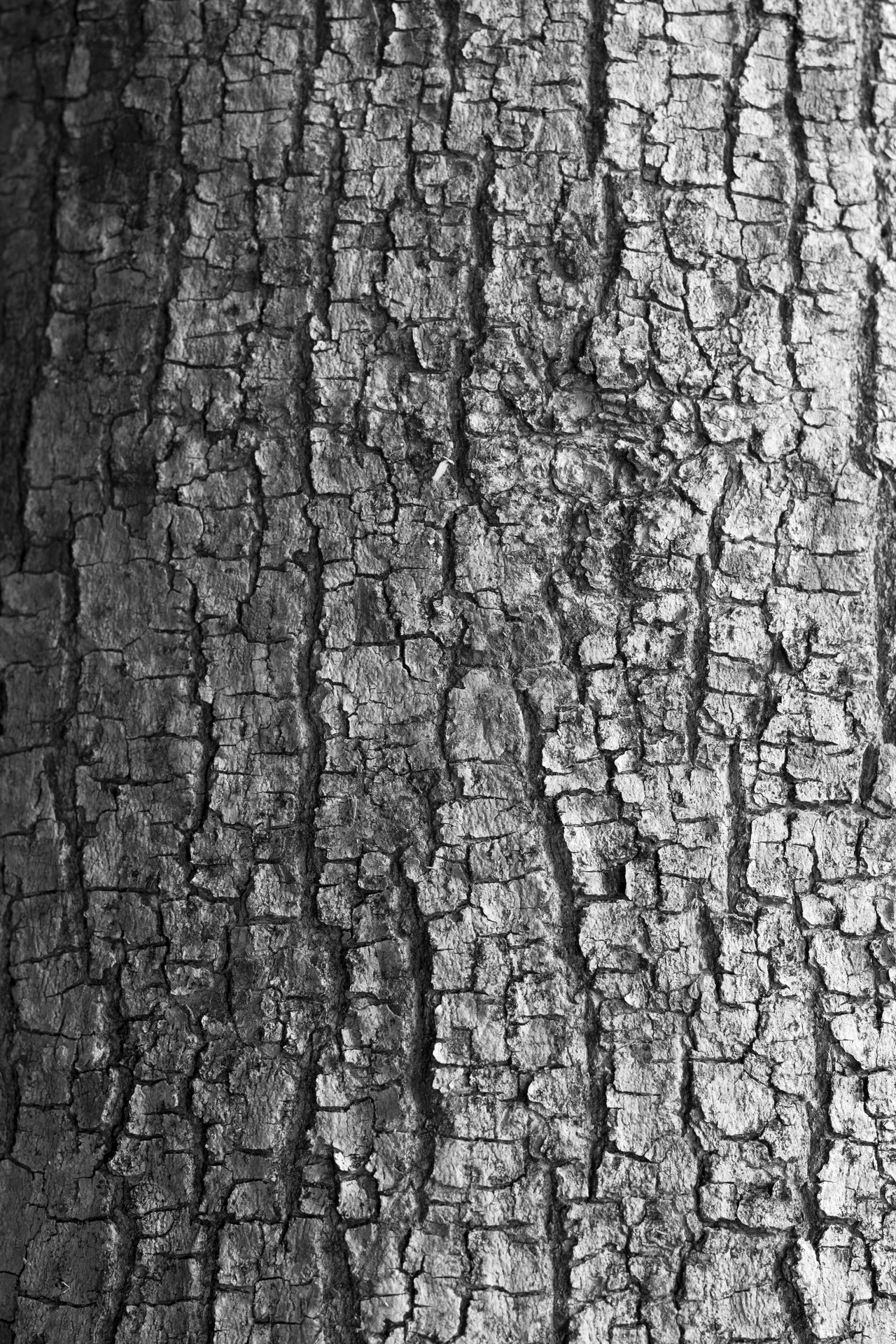
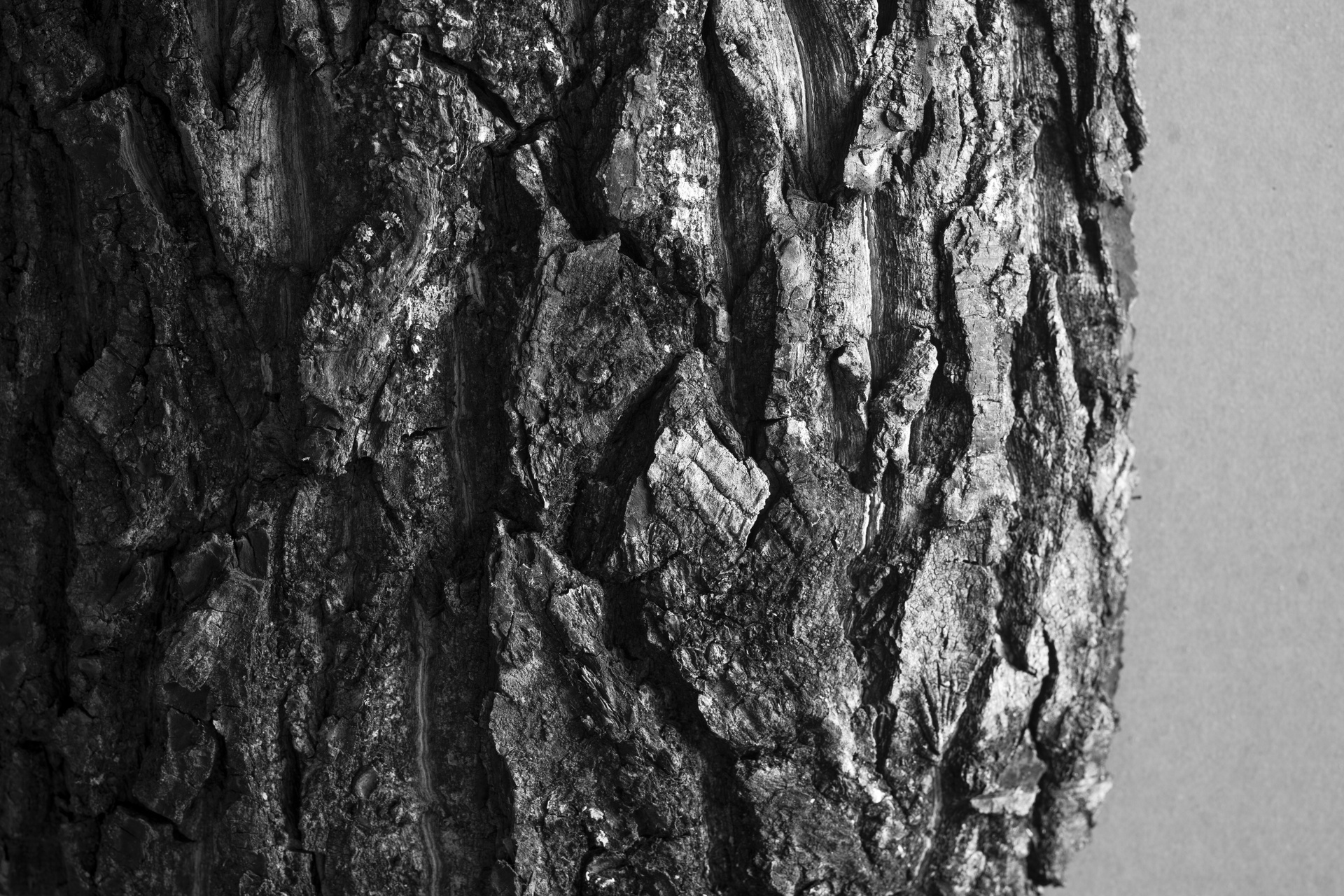
Fluctuation – 3rd Phase / Making all existence into a beautiful photograph.
top
Fluctuation – 3rd Phase / Beauty exists beyond people's general stereotypes.
top
Fluctuation – 3rd Phase / Shooting without considering the universal human perspective.
top
Fluctuation – 3rd Phase / Source of beauty is separate from the subject.
top
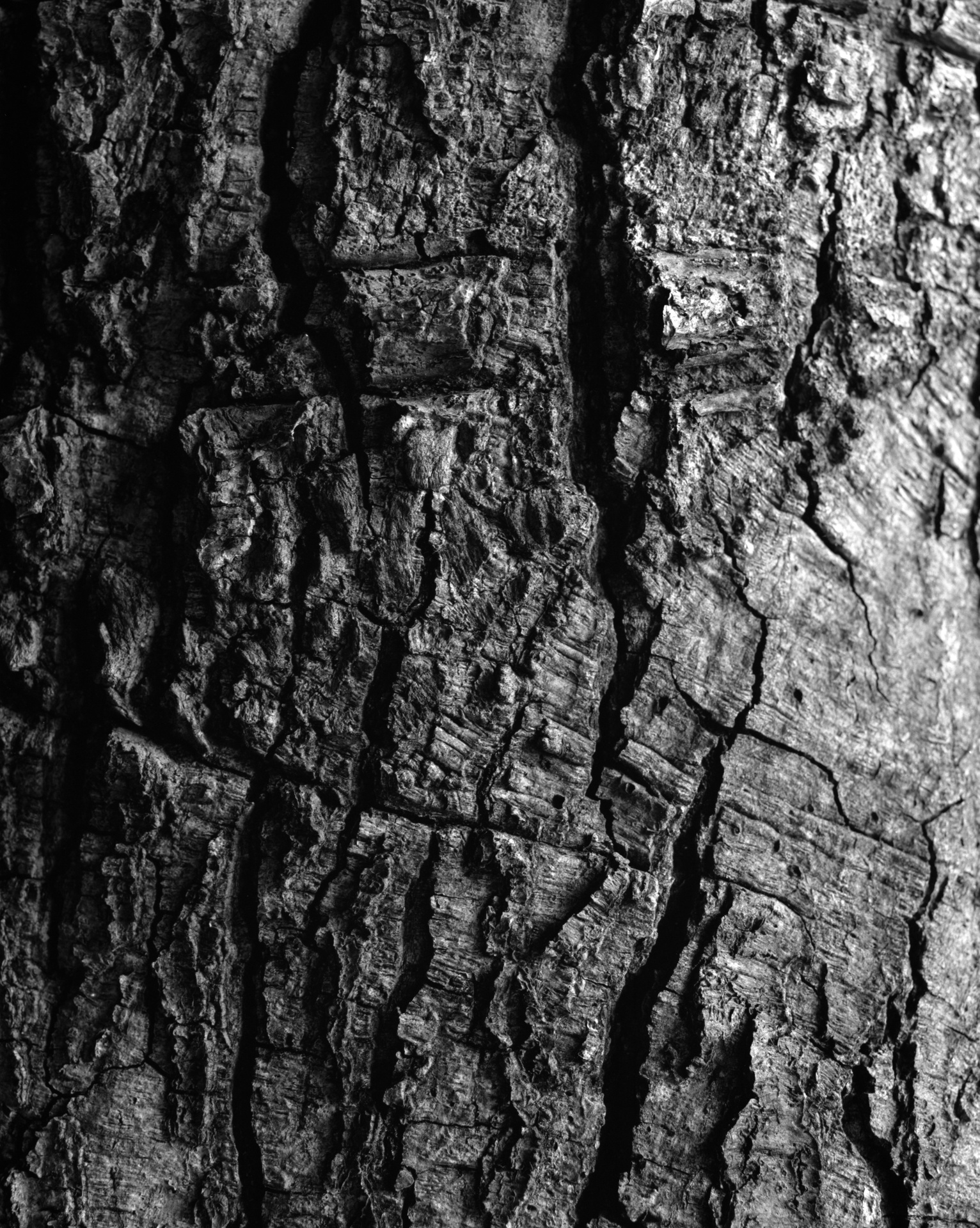
Fluctuation – 3rd Phase / There is no boundary between man-made and natural resources.
top
Fluctuation – 2nd Phase / Take beautiful photos of subjects whose beauty cannot be measured.
top
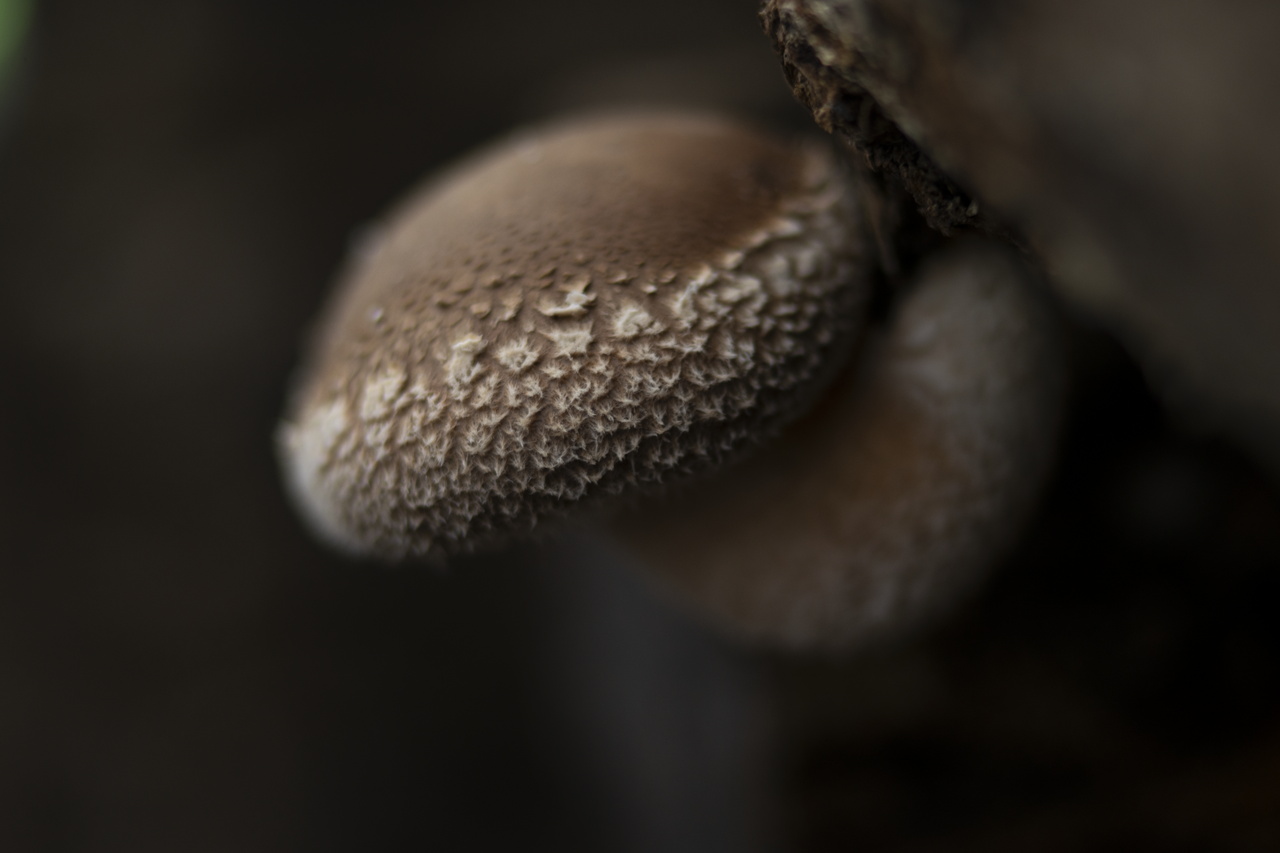
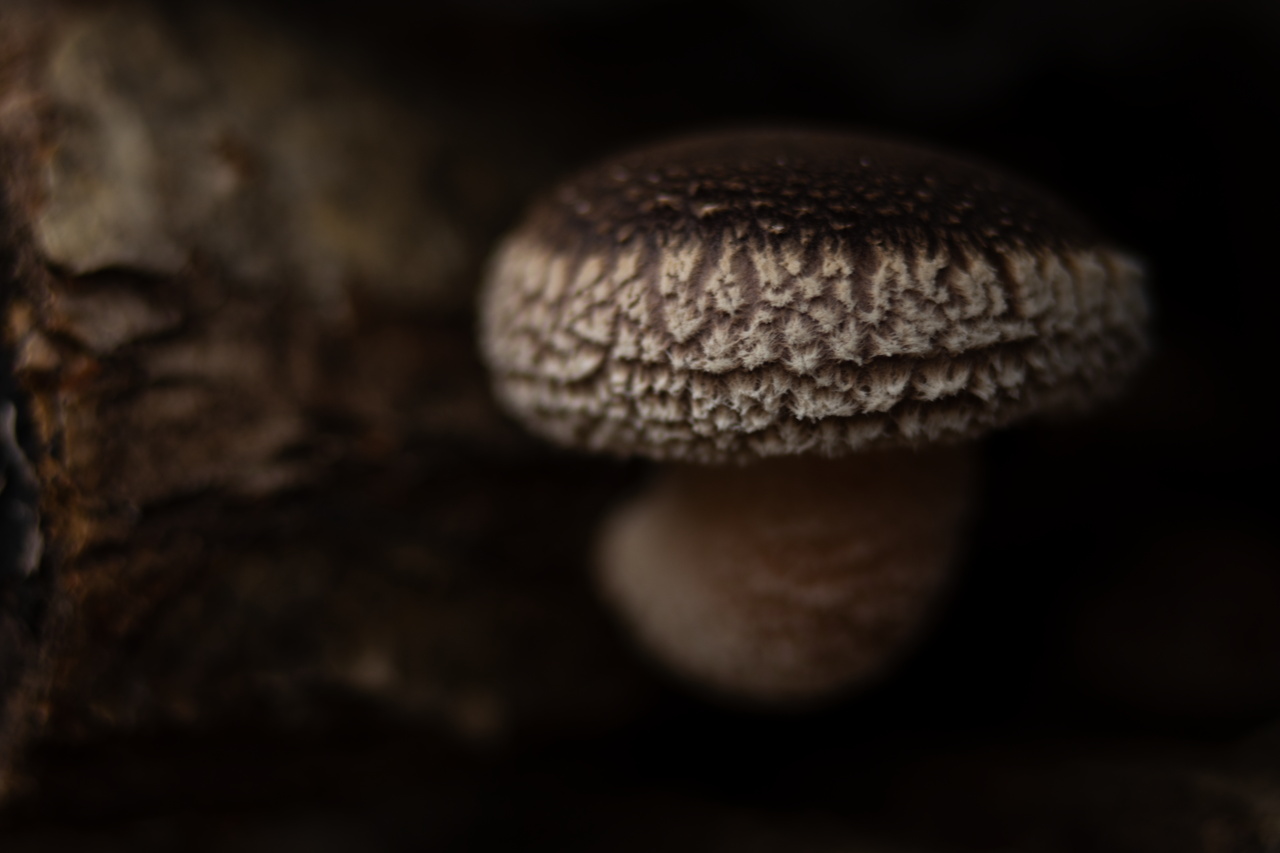
Fluctuation – 2nd Phase / Shiitake mushrooms also look beautiful.
top
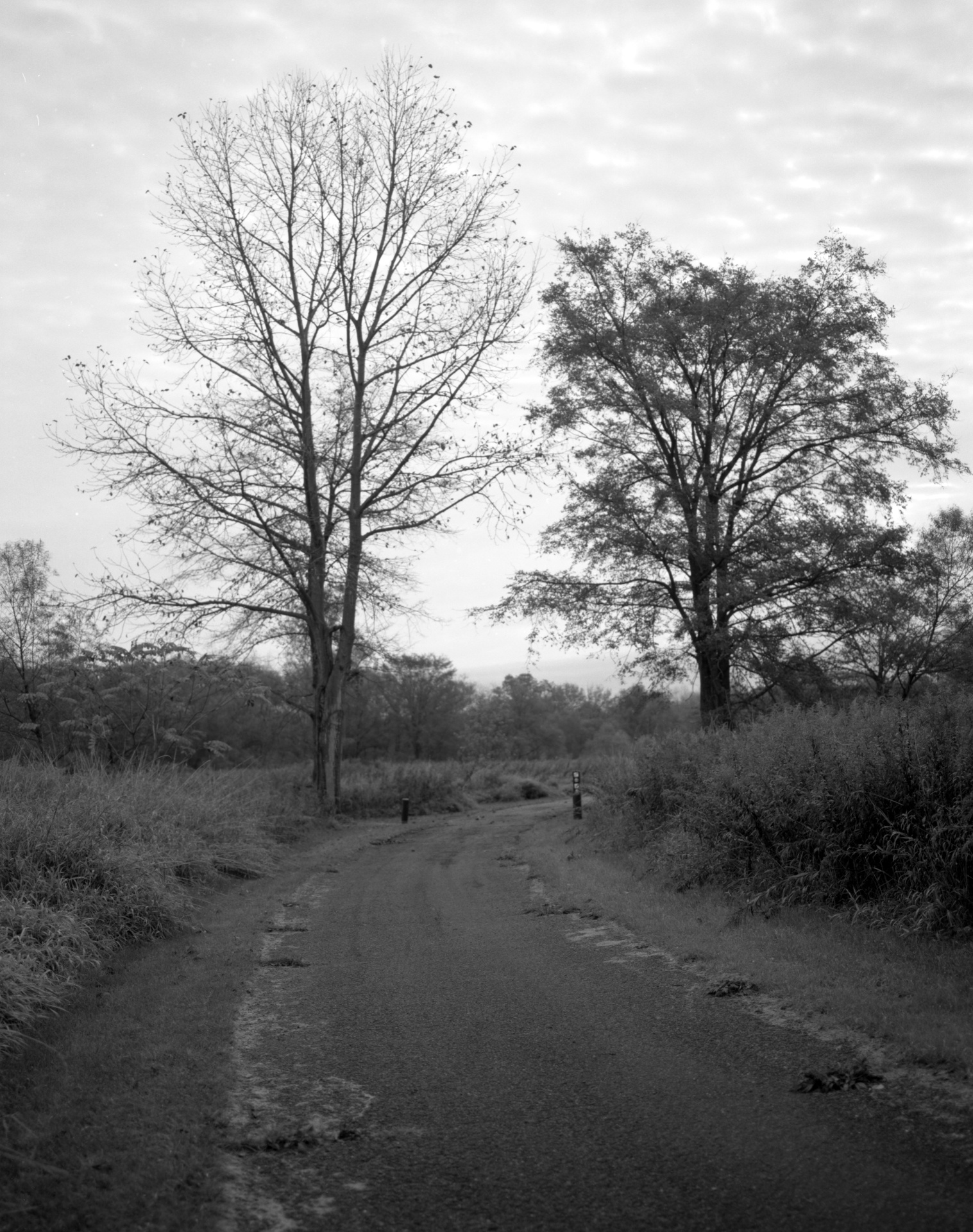
Fluctuation – 1st Phase / Taking beautiful photos of beautiful things.
top
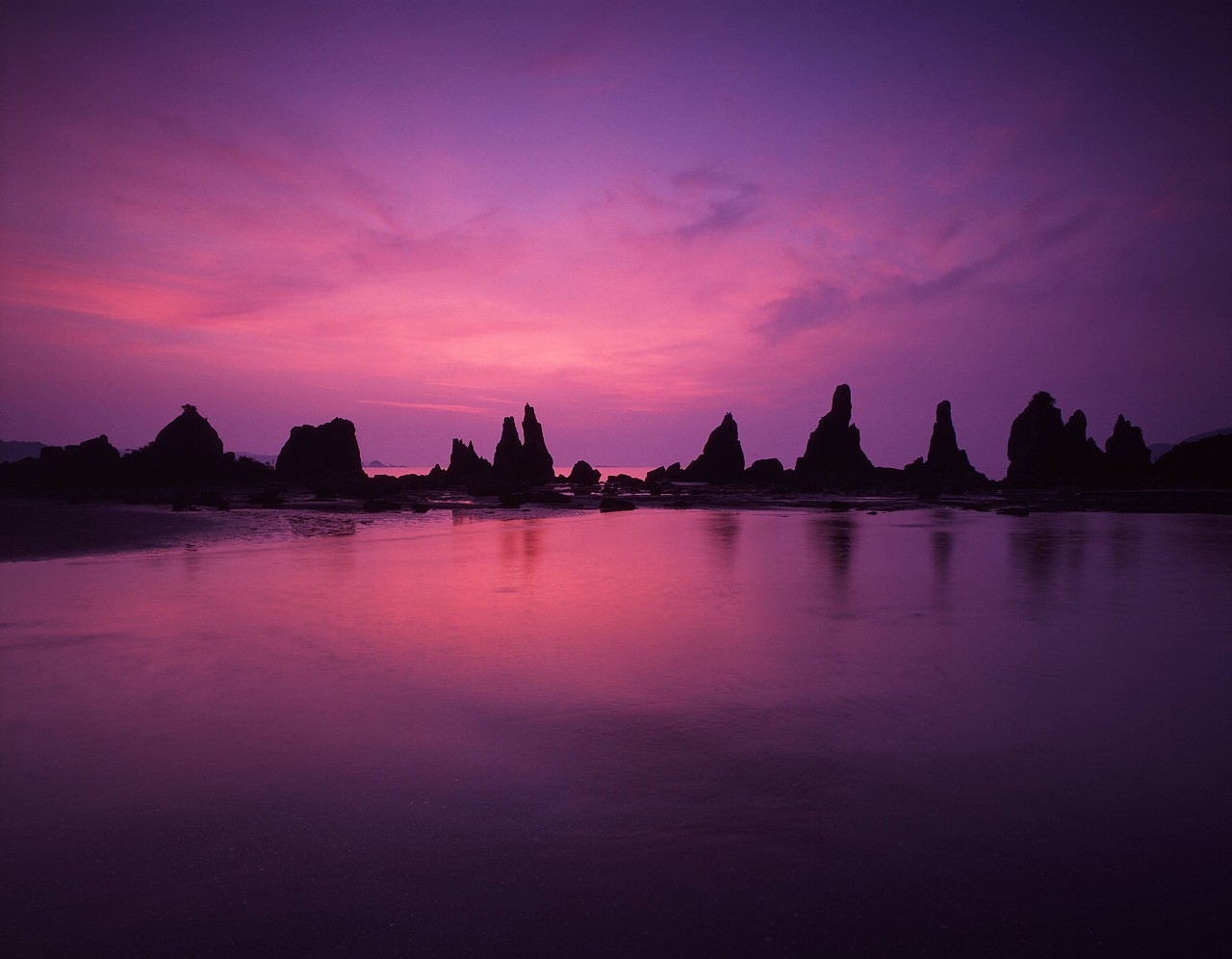
Fluctuation – 1st Phase / Everyone thinks the sunrise is beautiful.
STATEMENT

— Fluctuation —

Photographs of Forms Shaped by Beyond Human Perspective.

Beauty is often treated as a personal feeling, shaped by culture, memory, and habit. If this is true, then beauty changes the moment we change the position from which Human Perspective.

This work begins by stepping away from the usual human viewpoint. Instead of seeing the world through personal values or shared cultural ideas, it approaches everything—from wood and metal to bodies and buildings—as temporary results of the same underlying forces.

Nothing stands apart from nature. Every form we see is held together only for a moment, shaped by the flow of energy and the tendency of everything to move toward simpler states. Machines, forests, and people are not exceptions. They are brief arrangements in a movement that never stops.

These images do not treat objects as symbols or stories. They observe matter as it appears when we remove our assumptions about meaning or purpose. What remains are forms created by pressure, decay, growth, friction, and countless other processes that act without intention.

By looking at the world this way, beauty becomes something different. It is not an interpretation. It is a traces of fluctuation — a visible mark left by the forces that shape every structure and eventually dissolve it.

These photographs record those fluctuation. They show forms that exist only because they cannot stay the same. They are moments where order briefly appears within a continuous flow, revealing a quiet and indifferent kind of beauty.

PORTFOLIO
■ 01|Artist Profile
Research-based artist working with thermodynamic perspectives on aesthetic perception.
■ 02|Research Notes

Fluctuation – 1st Phase

Aesthetic judgment is often treated as subjective or cultural, which places excessive weight on the selection of the subject itself. If beauty arises not from intention but from deviations within the observer, then aesthetics becomes something to be observed rather than designed. Under this assumption, changing the vantage point should allow beauty to be intentionally amplified without relying on traditionally “beautiful” subjects.

In this phase, I focused on the role of familiarity and unfamiliarity in aesthetic response. Humans quickly adapt to the environments in which they live; familiarity suppresses perceptual sensitivity, whereas unfamiliarity can trigger an enhanced sense of beauty. This suggests that beauty is not an inherent property but a perceptual event arising when cognitive expectations are disrupted.

To induce this disruption, I attempted to convert the “familiar” into the “unfamiliar” by shifting to a viewpoint grounded in physical processes instead of shared cultural meaning. This produced new perceptual outcomes in both artificial and natural structures, effectively breaking my own internal habituation.

However, a methodological limitation emerged: the subjects I chose were already recognized as beautiful within conventional aesthetics. To evaluate the hypothesis properly, the next phase required subjects whose cultural value was not yet stabilized.

At the same time, an important byproduct emerged. The forms that appeared beautiful under this shifted perspective consistently corresponded to entropy differences—local deviations in material stability. To test the reliability of this connection, I determined that future phases must not compare “my perception vs. human norms,” but rather my current perception vs. my previous work, allowing my own bias patterns to act as a controlled variable. Additionally, third-party responses would be treated not as validation but as observational data points, useful for detecting patterns beyond my personal perceptual tendencies.


Fluctuation – 2nd Phase

To test the hypothesis that beauty corresponds to entropy differences—and to evaluate changes relative to my previous work—I selected shiitake mushrooms as subjects. They belong to a domain where aesthetic value is normally assigned through taste or utility, not visual beauty.

No special photographic technique was used; I simply followed the areas where entropy differences appeared most pronounced, particularly the characteristic surface undulations.

My only deliberate intervention was the cultivation of mushrooms to the highest possible quality, anticipating that stronger structural consistency would make local deviations more detectable.

The results aligned with the hypothesis. Many viewers reported a sense of “confused admiration,” indicating that beauty was perceived despite the absence of conventional aesthetic expectations. These responses were recorded as observational data, not as approval. Their consistency allowed me to distinguish between my own bias patterns and the deviations recognized by others.

However, a new complication emerged: the mushrooms themselves began acquiring a cultural association with beauty. Positive attributes—such as “delicious” or “fresh”—appeared to influence aesthetic perception, creating a feedback loop.

For subsequent phases, I will need subjects that remain culturally neutral and will evaluate beauty strictly through:

Comparisons with my earlier phases, and

Third-party reactions treated as data rather than judgment.

These steps will help isolate whether entropy differences consistently generate aesthetic responses independent of subject type.

■ 03|Methodology

Fluctuation – 3rd Phase

To examine the hypothesis that “beauty is an expression of entropy difference and changes according to one’s vantage point,” I selected a sawmill as the site for the third phase of this research, using comparisons with my earlier works as a reference point.

In the previous phase, the subject—shiitake mushrooms—already possessed clear cultural and practical value. In contrast, the unused materials found in a sawmill have no fixed role or meaning; their value has not yet been defined within conventional systems of use. This state of undetermined value allows their forms to be observed without the constraints of existing expectations.

However, the subjects of this phase are not limited to unused materials alone. Restricting the work to a single category would impose an overly narrow frame on the theme, while giving complete freedom would dilute methodological focus. For this reason, I established a flexible yet clear boundary: the sawmill site as a whole. Any form that exists within this environment becomes a potential subject.

During observation, I intentionally step back from cultural value frameworks and focus instead on forms as outcomes of simple physical processes. Particular attention is given to areas where irregularities, contours, or small shifts appear—places where entropy difference becomes visible.

The camera operation and approach evolve continuously through comparisons with my past works, enabling ongoing examination of how shifts in viewpoint affect the resulting images. Responses from viewers are treated not as judgments but as observational data, providing clues to entropy differences or perceptual deviations that I may not notice on my own.

■ 04|Logbook

logbook01

No special techniques were required for the photography. Following basic, conventional camera operation was more than sufficient.

Because the subjects in this project are things that people typically overlook, guiding the viewer’s attention and maintaining compositional precision played an important role. However, attempts to emphasize these elements by adding unnecessary stylistic moves proved counterproductive.

When such stylistic choices become too visible, the viewer begins to search for meanings that were never embedded in the image. For this project—where the goal is to observe the state of unassigned meaning itself—this becomes a significant source of noise.

In the end, the most effective approach was to keep the photographic method to the minimum necessary, leaving enough space for the forms to present themselves as they are.


logbook02

Managing my emotional response as the photographer became one of the most challenging aspects of this phase. Although I needed to observe the world as a set of forms produced by physical laws, I inevitably reacted whenever I encountered a new subject. Such reactions can influence the precision of observation, making it necessary to handle them carefully.

To address this, I introduced what I call the “Emotional Saturation Process.” This is not a method for eliminating emotion, but for equalizing it to a stable threshold so that it no longer interferes with the observational viewpoint.

In the 1st Phase, I allowed the impulse to run its course and saturated the initial peak by taking a large number of photographs. In the 2nd Phase, photographing daily for about five years gradually absorbed emotional reactions into routine, allowing my observational baseline to stabilize naturally.

I will continue applying this process in the 3rd Phase. My criterion for determining when the emotion has “settled” is personal: it is the point at which photography has become an ordinary, everyday activity, and emotional reactions no longer disrupt observation.

This method relies on my individual characteristics and is not intended to be generalized. Nonetheless, as a means of stabilizing myself as an observer, it has proven effective, and I expect it to function similarly in this phase.

■ 05|Findings

Through a long journey, I arrived at a single realization: the world, and the people within it, were far simpler than I had imagined.

Even values, emotions, and social issues—things that appear endlessly complex— are, in many cases, nothing more than extensions of the mechanisms that once ensured survival. Diversity and conflict are neither good nor bad; they are natural behaviors that allow the whole system to endure. And even these are unconscious, expressionless phenomena.

From this perspective, “beauty” and “meaning” are not special things, but patterns that momentarily surface within the flow of natural laws.

These patterns are remarkably simple, and their simplicity can sometimes feel cruel.

Yet within that very simplicity, there seems to be a kind of freedom we have long overlooked.

EXHIBITIONS
nothing
CONTACT

We use AI translation to answer your questions. Sorry.

top